
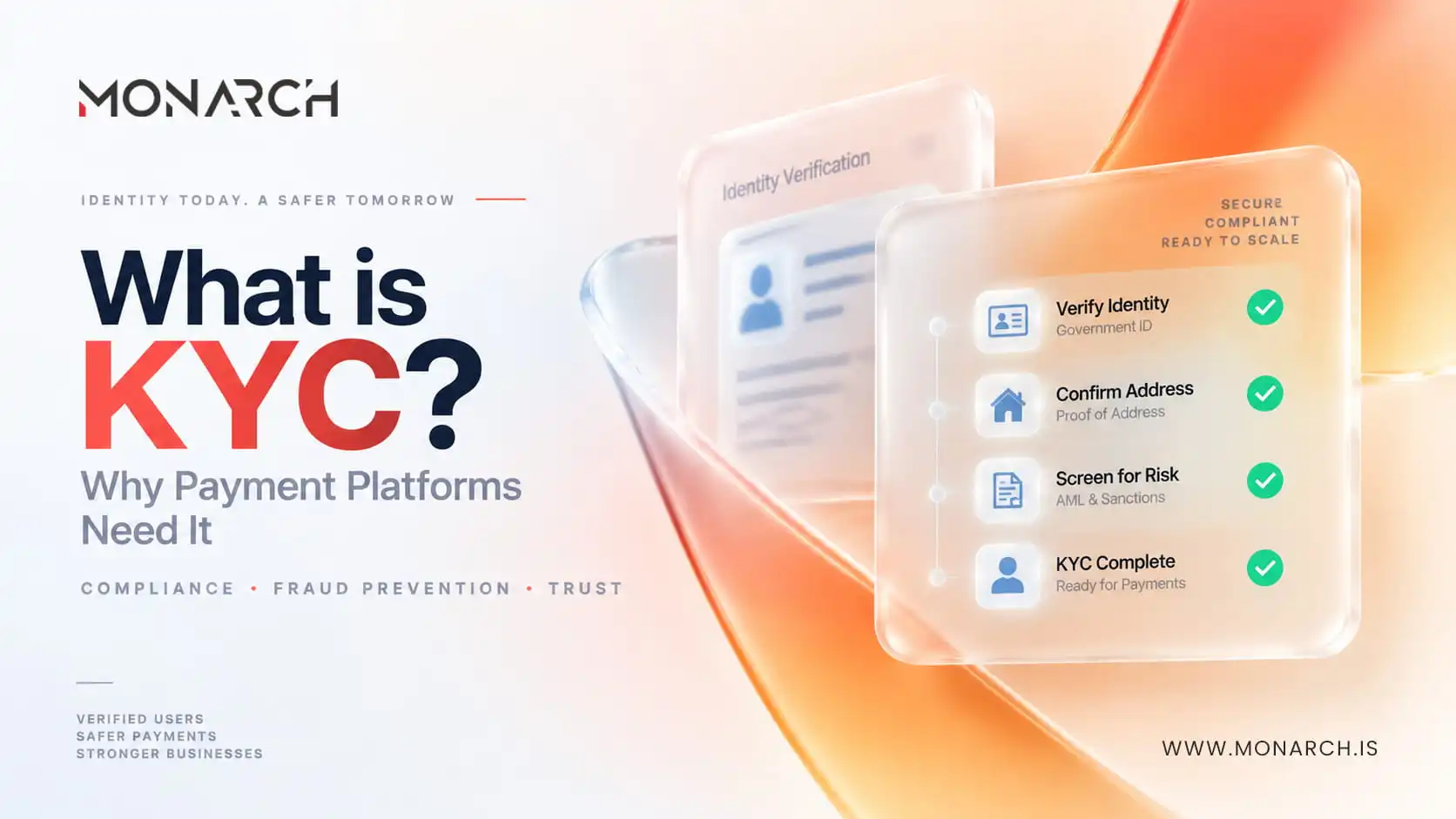
A payment platform can move money in seconds. But before money moves, one question matters more than almost anything else:
Thank you for reading this post, don't forget to subscribe!
Who is behind the transaction?
That simple question is the foundation of KYC. In a world where digital payments, mobile wallets, ACH transfers, P2P payments, and online transactions are growing fast, payment platforms cannot afford to treat identity verification as an afterthought.
Fraud moves quickly. Fake accounts can be created quickly. Bad actors can hide behind incomplete information. And when payment platforms do not know who their customers are, every transaction becomes harder to trust.
So, what is KYC, and why does it matter so much for payment platforms?
KYC stands for “Know Your Customer.” It is the process businesses use to verify the identity of customers, understand their risk level, and make sure financial activity is legitimate. For payment platforms, KYC is not just a compliance checkbox. It is a critical layer of trust, risk control, fraud prevention, and long-term business protection.
What Is KYC?
Before a customer can use a financial product or payment service, the platform may need to confirm who that customer is. That is the basic answer to what is KYC.
KYC usually includes collecting and verifying information such as name, date of birth, address, government-issued identification, business details, ownership information, tax information, or other records depending on whether the customer is an individual or a business.
For business customers, KYC may also include KYB, or “Know Your Business.” This means verifying the company, its owners, its operating structure, and sometimes its license or industry type.
The goal is simple: a payment platform should understand who is using the system before allowing money to move through it.
That does not mean every customer needs the same level of review. A low-risk consumer account may require a lighter process than a business account moving large transaction volumes. A regulated industry may require deeper review than a basic retail merchant. A platform handling domestic payments may have different needs than one supporting international transfers.
Good KYC is risk-based. It verifies the right information at the right time, without creating unnecessary friction for legitimate users.
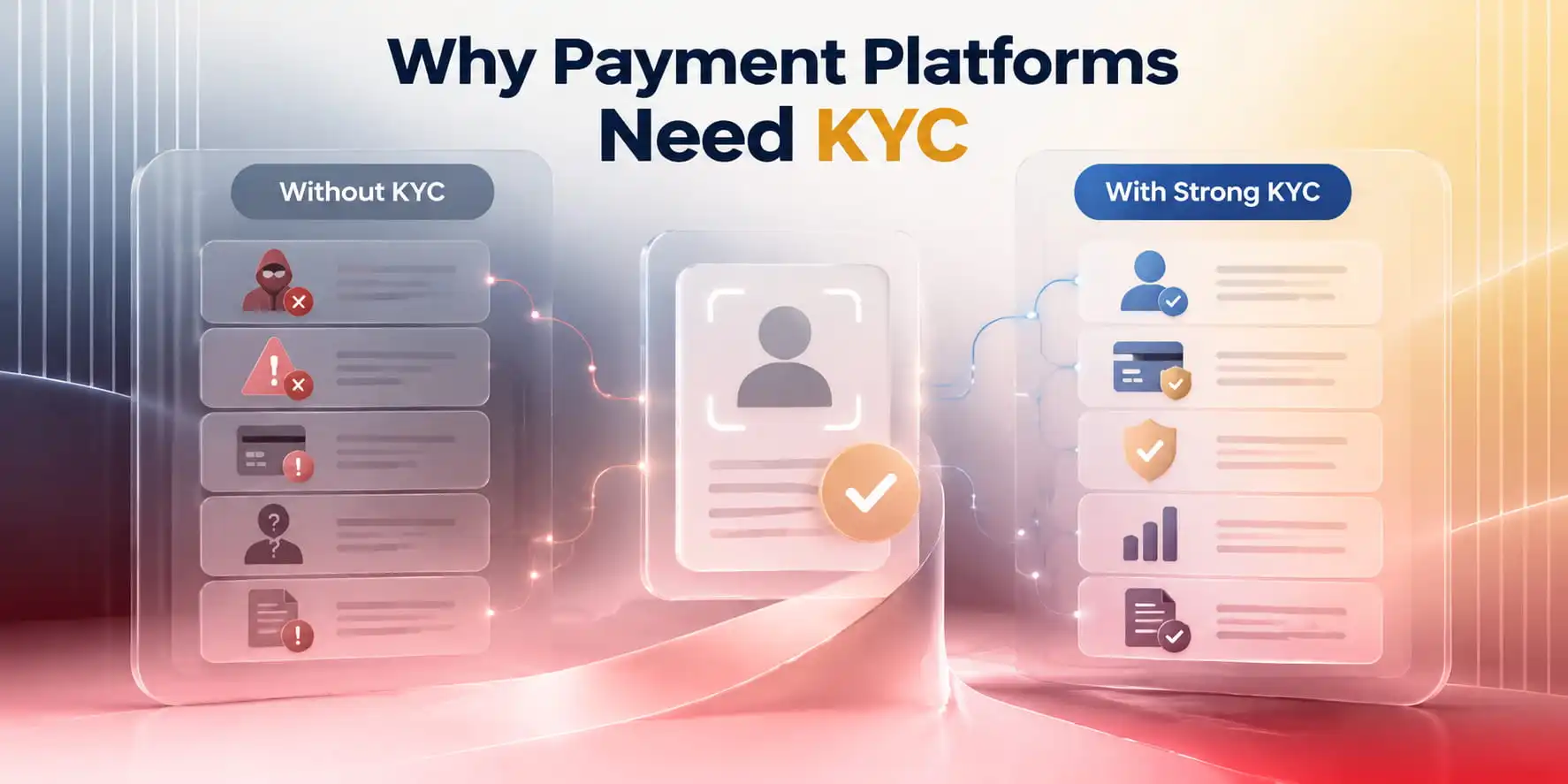
Why KYC Matters for Payment Platforms
Payment platforms sit at the center of money movement. They connect customers, businesses, banks, vendors, digital wallets, settlement systems, and sometimes government or tax authorities.
That position creates opportunity, but it also creates responsibility.
Without strong KYC, a payment platform may become vulnerable to fake accounts, stolen identities, money laundering, fraud rings, account takeovers, unauthorized payments, and suspicious transaction patterns.
This is why the question is not only what is KYC. The better question is: what happens when a payment platform does not take KYC seriously?
The answer can include higher fraud losses, more chargebacks, account closures, banking partner concerns, regulatory pressure, customer trust issues, and operational delays.
KYC helps payment platforms protect the entire ecosystem.
KYC Helps Prevent Fraud
Fraud prevention is one of the biggest reasons payment platforms need KYC.
Bad actors often try to create accounts using false identities, stolen documents, synthetic identities, shell companies, or incomplete business information. Once inside a payment system, they may attempt unauthorized transfers, fake transactions, refund abuse, card testing, money movement schemes, or vendor fraud.
KYC makes this harder.
By verifying identity during onboarding, payment platforms can reduce the number of fake or risky users entering the system. By connecting identity information with transaction monitoring, platforms can also detect behavior that does not match the expected customer profile.
For example, a newly opened account with limited verification suddenly attempting high-volume transfers may require review. A business claiming to operate in one industry but showing payment behavior from another may need additional checks. A customer using inconsistent information across multiple accounts may signal risk.
KYC does not eliminate fraud completely, but it gives payment platforms a much stronger first line of defense.
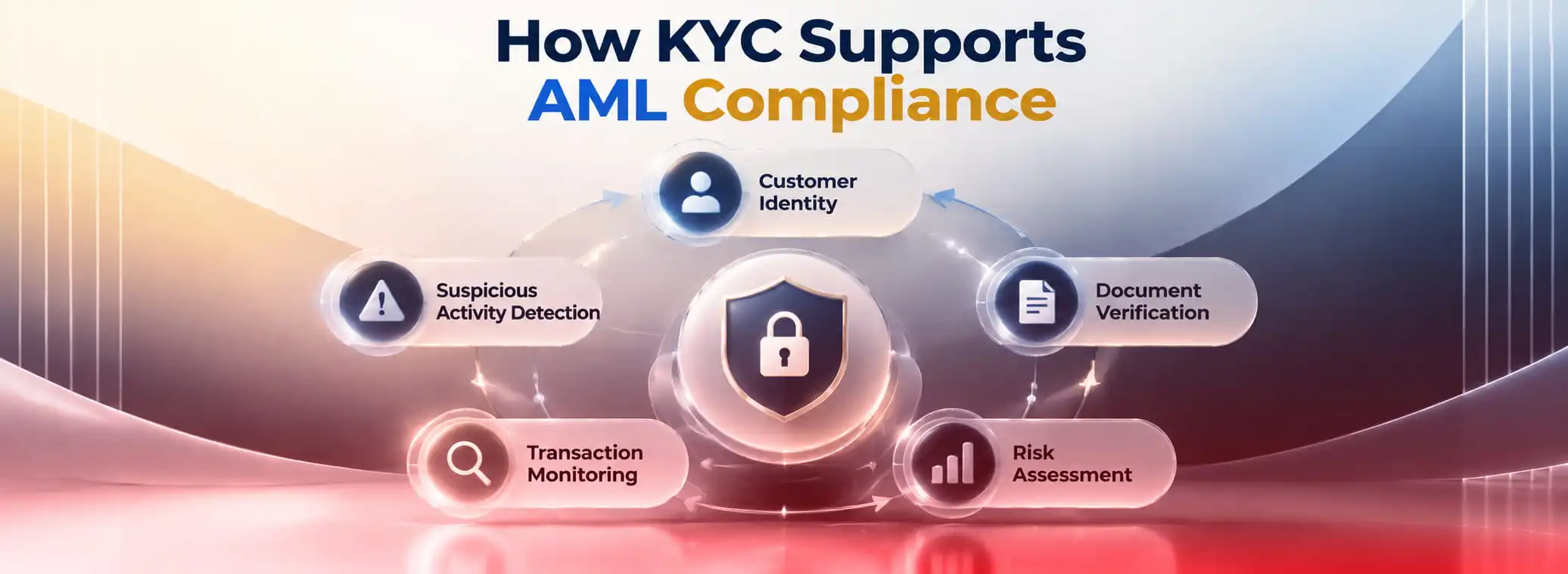
KYC Supports AML Compliance
KYC is closely connected to AML, which stands for anti-money laundering.
AML programs are designed to help prevent financial systems from being used for illegal money movement. KYC supports that goal by helping platforms identify customers, understand their business activity, and monitor transactions for unusual patterns.
For payment platforms, this matters because money can move quickly across accounts, states, banks, and sometimes borders. If a platform does not understand who is using its system, it becomes harder to detect suspicious activity.
A strong KYC process helps answer important compliance questions:
Who is the customer?
Is the customer an individual or business?
Who owns or controls the business?
What type of activity is expected?
Does the transaction behavior match the customer profile?
Should the account receive standard review or enhanced review?
These questions help payment platforms build stronger compliance controls and reduce exposure to financial crime risk.
KYC Builds Trust With Banking Partners
Payment platforms often rely on banks, processors, money transmitters, ACH providers, and other financial partners. Those partners need confidence that the platform has proper controls in place.
A weak onboarding process can create problems with banking relationships.
If a payment platform cannot show how it verifies customers, stores records, monitors risk, and handles suspicious activity, banks may see the platform as too risky. That can lead to delayed approvals, restricted services, more reviews, or even account termination.
Strong KYC helps payment platforms show that they take risk seriously.
It gives banking partners more confidence that customers are being reviewed properly, transactions are being monitored, and records are available when needed. In regulated financial services, trust is not built only through branding. It is built through systems, documentation, and repeatable controls.
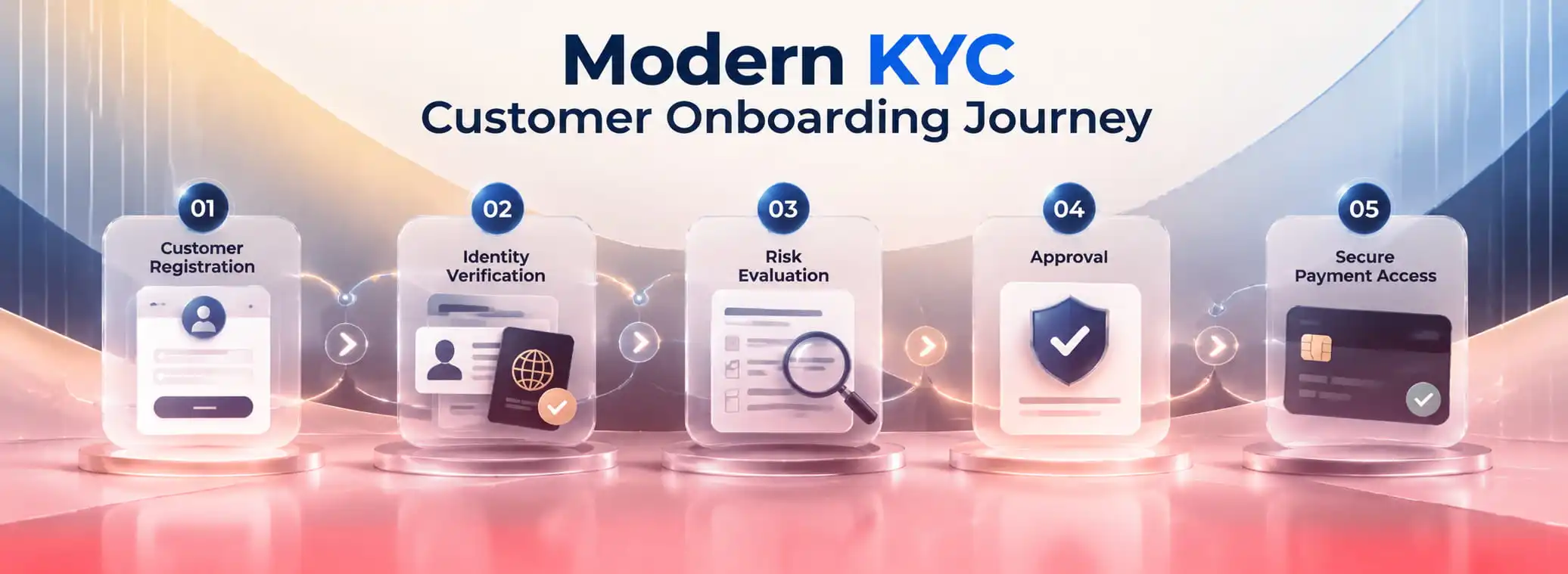
KYC Improves Customer Onboarding
Some businesses think KYC only slows things down. That happens when the process is outdated, manual, or confusing.
A modern KYC process can actually improve onboarding.
When identity checks are clear, digital, and well-structured, legitimate customers can move through the process faster. Businesses can collect the right information upfront, reduce back-and-forth emails, avoid missing documents, and make faster approval decisions.
For payment platforms, this is important because onboarding is often the first real customer experience.
If onboarding feels confusing, customers may abandon the process. If it feels professional and secure, customers are more likely to trust the platform.
The best KYC systems balance security with speed. They do not approve everyone blindly, but they also do not make legitimate customers feel punished for using the service.
KYC Helps Create Better Risk Profiles
Another important part of what is KYC is risk profiling.
KYC is not only about collecting identity documents. It is also about understanding the customer’s expected behavior.
For a consumer, that may include expected payment volume, location, account use, and transaction type. For a business, it may include industry, ownership structure, licensing status, vendors, customer base, transaction volume, and payment method.
A payment platform can use this information to separate lower-risk users from higher-risk users.
This matters because not every customer should be treated the same. Some customers may need standard verification. Others may require enhanced due diligence, deeper documentation, or ongoing monitoring.
Risk profiling helps platforms make smarter decisions and avoid wasting resources on the wrong areas.
KYC Supports Ongoing Monitoring
KYC does not end after the account is opened.
Customer behavior can change. Business ownership can change. Transaction volume can increase. A low-risk account can become higher risk over time. A customer can begin using the platform in a way that does not match the original profile.
That is why payment platforms need ongoing monitoring.
Ongoing monitoring helps platforms review transactions, detect unusual activity, update customer information, and maintain accurate records. It also helps compliance teams respond faster when something does not look right.
This is where many platforms make a mistake. They treat KYC as a one-time onboarding step. In reality, KYC should support the full customer lifecycle.
A strong payment platform does not only ask, “Who is this customer today?” It also asks, “Does this customer’s activity still make sense tomorrow?”
Common KYC Challenges for Payment Platforms
KYC sounds simple, but it can become difficult at scale.
Payment platforms often face challenges such as incomplete customer information, fake documents, manual document review, inconsistent business records, complex ownership structures, multi-state operations, international users, high-risk industries, and disconnected compliance tools.
The more payment volume a platform handles, the harder it becomes to manage everything manually.
Manual KYC can create delays, missed red flags, inconsistent approvals, poor recordkeeping, and audit stress. It can also frustrate customers when they are asked for the same information multiple times.
For platforms that serve businesses, the challenge is even greater. Business verification may require checking company records, ownership details, licenses, beneficial owners, tax information, and expected payment behavior.
That is why payment platforms need a structured, scalable compliance system.

What a Strong KYC Process Should Include
A strong KYC process should be clear, secure, and consistent.
It should include identity collection, identity verification, risk assessment, document storage, transaction monitoring, recordkeeping, and escalation procedures. For business customers, it should also include business verification and beneficial ownership review when needed.
A good process should answer these questions:
Is the customer real?
Is the business legitimate?
Who owns or controls the business?
Does the activity match the customer profile?
Are documents complete and current?
Is the customer in a higher-risk category?
Can the platform produce records if reviewed?
Is suspicious activity being monitored?
When a payment platform can answer these questions with confidence, KYC becomes much more than a compliance form. It becomes part of the platform’s operating strength.
How Monarch Supports Compliance for Payment Platforms
Monarch is built for modern financial infrastructure, including money movement, payments, compliance, tax automation, reporting, and secure operations.
For payment platforms and regulated businesses, Monarch helps simplify the complex work behind financial transactions. Instead of relying on scattered tools and manual processes, businesses can operate with stronger compliance workflows, better documentation, and improved visibility across payments and customer activity.
Monarch’s infrastructure is especially valuable for organizations that need to manage payments, onboarding, compliance monitoring, audit readiness, and regulated money movement in one connected environment.
That matters because payment compliance is not just about approving users. It is about creating a system where identity, transactions, documentation, and risk controls work together.
For banks, fintechs, and businesses in regulated industries, Monarch helps build the foundation needed to move money with more confidence.
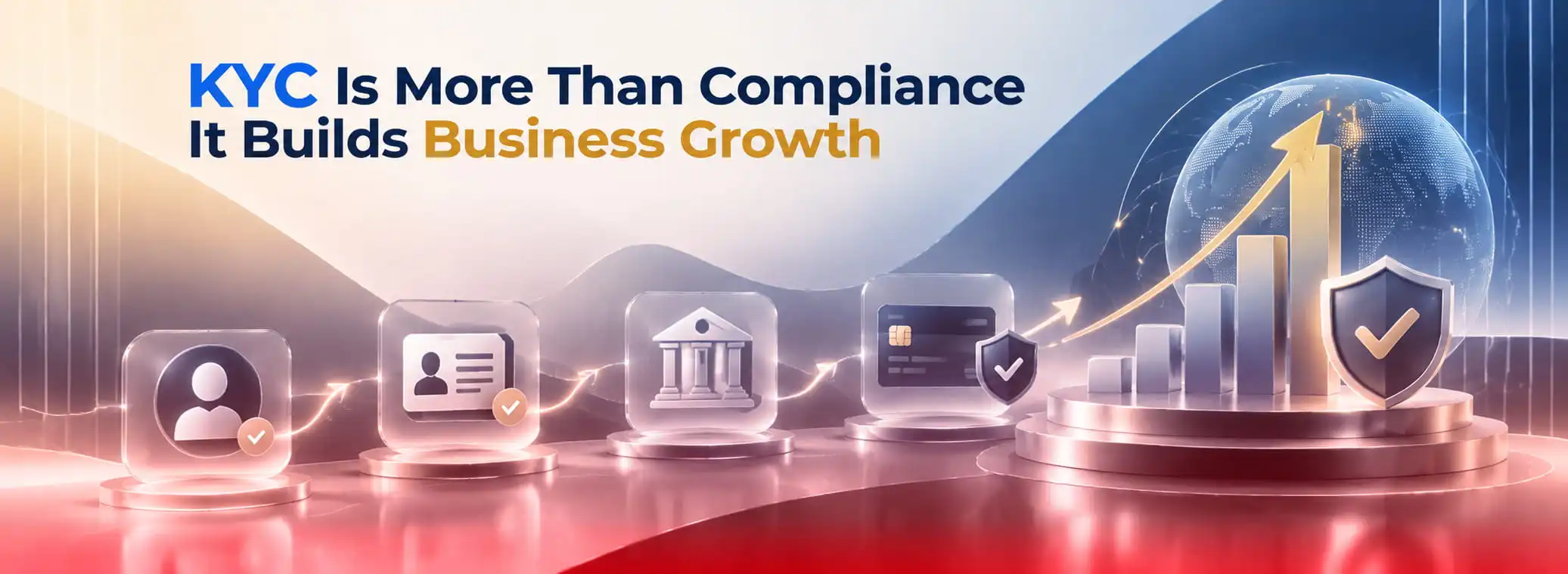
Why KYC Is a Growth Advantage
Many companies think of KYC as a defensive requirement. But strong KYC can also support growth.
A payment platform with better identity controls can onboard customers more confidently. It can reduce fraud losses. It can strengthen banking relationships. It can support more complex payment use cases. It can prepare for audits faster. It can enter regulated markets with a stronger foundation.
In other words, KYC is not just about saying no to risk. It is about saying yes to the right customers in a safer, smarter way.
This is especially important for payment platforms that want to support businesses, digital wallets, P2P payments, ACH transfers, vendor payments, or regulated commerce.
The platforms that grow sustainably are not the ones that skip compliance. They are the ones that build compliance into the core of the business.
Final Thoughts
So, what is KYC?
KYC is the process of knowing who your customers are, verifying their identity, understanding their risk, and monitoring activity to keep financial systems safer.
For payment platforms, KYC is essential. It helps prevent fraud, support AML compliance, protect banking relationships, improve onboarding, strengthen customer trust, and create a cleaner financial operation.
As money movement becomes faster and more digital, the need for strong customer identity verification will only become more important. Payment platforms that treat KYC as a core infrastructure layer will be better prepared to grow, protect users, and operate with confidence.
Monarch helps businesses and financial partners build that kind of foundation through secure, compliant financial infrastructure designed for modern commerce.
Schedule a Demo With Monarch
Ready to strengthen payment compliance, improve onboarding, and move money with more confidence?
Schedule a demo with Monarch and discover how modern financial infrastructure can help your platform grow securely.