
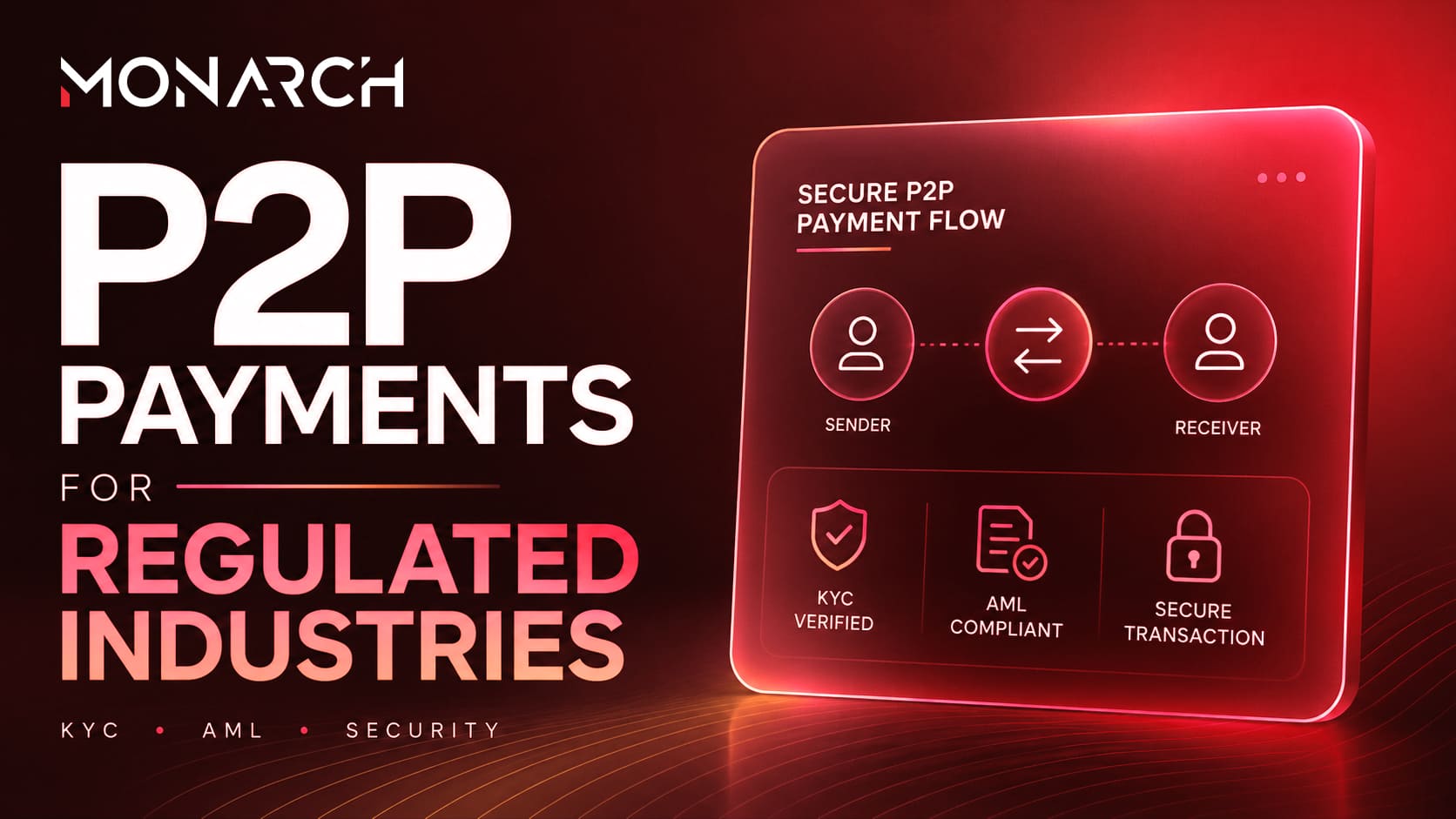
Peer-to-peer (P2P) payments have changed how people and businesses move money.
Thank you for reading this post, don't forget to subscribe!
What once required cash, checks, or traditional bank visits can now happen instantly through a mobile device. Consumers today expect fast, convenient, and secure payment experiences — whether they are sending money to friends, paying vendors, or completing business transactions.
As digital commerce continues to grow, P2P payment systems are becoming an essential part of modern financial infrastructure.
However, in regulated industries, P2P payments involve much more than convenience. Businesses operating in industries such as fintech, cannabis, hemp, logistics, gaming, and money services must also manage strict compliance, transaction monitoring, security, and financial reporting requirements.
This is where compliant payment infrastructure becomes critical.
The Rise of Digital Peer-to-Peer Payments
Over the last decade, digital payment adoption has accelerated significantly.
Consumers and businesses increasingly prefer:
- mobile payments
- contactless transactions
- digital wallets
- instant transfers
- embedded financial services
P2P payment technology has become popular because it simplifies how money moves between individuals and organizations.
Instead of manually entering banking information, users can often send funds using:
- phone numbers
- email addresses
- usernames
- wallet accounts
This creates a faster and more convenient transaction experience.
For businesses, P2P infrastructure can also improve:
- operational efficiency
- customer experience
- payment flexibility
- settlement speed

What Is a P2P Payment System?
A P2P payment system allows users to electronically send and receive money directly between accounts through a digital platform.
These systems often support:
- bank-to-bank transfers
- digital wallet payments
- mobile app transactions
- ACH transfers
- instant payments
- cross-border remittances
P2P payment platforms are commonly used for:
- personal transfers
- business payments
- marketplace transactions
- contractor payouts
- mobile commerce
- vendor settlements
Modern P2P systems rely on secure payment infrastructure to process transactions quickly while maintaining compliance and fraud protection.
Why Regulated Industries Face Unique Payment Challenges
Regulated industries often operate under stricter financial oversight than traditional businesses.
Industries such as:
- cannabis
- hemp
- fintech
- gaming
- money service businesses (MSBs)
- digital financial services
must follow complex compliance and reporting requirements.
Many businesses in regulated sectors face challenges such as:
- limited banking access
- transaction monitoring requirements
- strict customer verification
- cash-heavy operations
- state-specific regulations
- audit obligations
Traditional payment providers may avoid serving these industries due to regulatory complexity and operational risk.
As a result, businesses often need specialized payment infrastructure designed specifically for regulated financial environments.
How P2P Payment Systems Work in Regulated Industries
P2P payment systems in regulated industries operate differently than standard consumer payment apps.
In regulated environments, every transaction may involve:
- compliance screening
- identity verification
- transaction monitoring
- risk assessment
- financial reporting
- fraud detection
Modern compliant payment platforms integrate these processes directly into the payment infrastructure.

Step 1: Customer Verification
Before users can access regulated payment services, platforms often perform identity verification procedures.
This may include:
- Know Your Customer (KYC) checks
- identity document verification
- phone verification
- banking verification
- account authentication
Customer verification helps reduce fraud and supports regulatory compliance.
Step 2: Secure Transaction Processing
Once verified, users can initiate transactions through:
- mobile applications
- digital wallets
- integrated payment systems
- banking infrastructure
The platform securely routes payment instructions through financial networks such as:
- ACH systems
- banking rails
- payment processors
- licensed money transmission infrastructure
Security technologies such as encryption and tokenization help protect sensitive financial data during processing.
Step 3: Compliance Monitoring
One of the most important components of regulated P2P payments is compliance monitoring.
Transactions are often screened for:
- suspicious activity
- fraud indicators
- unusual transaction patterns
- AML compliance risks
- sanctions exposure
Automated compliance systems help businesses identify and manage financial risk in real time.
This is especially important for businesses operating across multiple states or jurisdictions.
Step 4: Settlement & Reporting
After approval, transactions are settled between accounts.
Modern payment platforms may provide:
- transaction visibility
- settlement tracking
- reporting dashboards
- audit logs
- operational analytics
This improves financial transparency for businesses and compliance teams.
The Importance of Compliance in P2P Payments
Compliance is one of the biggest operational priorities for regulated payment systems.
Businesses handling digital transactions must often comply with:
- KYC regulations
- AML requirements
- money transmission laws
- state licensing standards
- financial reporting obligations
Failure to maintain proper compliance can result in:
- financial penalties
- account restrictions
- reputational damage
- legal consequences
As digital payments continue growing, automated compliance technology has become essential for scalable payment operations.
Why Security Matters in Digital Payment Systems
Cybersecurity threats continue to increase across the financial industry.
Businesses handling sensitive payment data must protect:
- customer information
- banking credentials
- transaction records
- financial operations
Modern P2P payment infrastructure often includes:
- bank-grade encryption
- tokenized payment data
- fraud monitoring
- account authentication
- real-time transaction monitoring
Strong security infrastructure helps businesses:
- reduce fraud risk
- improve operational trust
- support compliance readiness
- protect financial systems
For regulated industries, security and compliance work together as part of a unified operational strategy.
Industry Example: Cannabis & Hemp Payment Operations
Cannabis and hemp businesses are among the industries most affected by payment restrictions and compliance complexity.
Many operators face challenges such as:
- limited banking relationships
- cash-heavy operations
- regulatory scrutiny
- transaction transparency requirements
Compliant P2P payment systems help these businesses:
- reduce cash dependency
- digitize transactions
- improve audit readiness
- streamline customer payments
- strengthen operational reporting
This creates safer and more scalable financial operations.
Payment Trends Driving P2P Growth
Several major trends are accelerating the adoption of P2P payment systems.
Mobile Payment Adoption
Consumers increasingly expect payment experiences that are:
- mobile-first
- fast
- convenient
- contactless
Mobile wallets and app-based payments continue gaining popularity across industries.
Embedded Finance
Businesses are integrating financial services directly into their platforms through:
- embedded payments
- digital wallets
- API-driven transfers
- integrated banking services
This creates smoother customer experiences and operational efficiency.
Real-Time Financial Infrastructure
Businesses increasingly want:
- faster settlements
- real-time reporting
- automated reconciliation
- instant payment visibility
Modern fintech infrastructure helps support these expectations.
Operational Challenges Businesses Still Face
Despite advances in payment technology, many organizations still struggle with:
- fragmented financial systems
- manual compliance processes
- settlement delays
- transaction visibility issues
- fraud prevention challenges
As businesses scale, managing payments manually becomes increasingly difficult.
Modern payment infrastructure platforms help centralize:
- payments
- compliance
- reporting
- settlements
- security controls
into one operational ecosystem.
How Monarch Supports Secure P2P Payment Infrastructure
Monarch helps businesses modernize digital payment operations through secure and compliance-focused financial infrastructure.
Monarch’s payment ecosystem supports:
- secure P2P transactions
- mobile payment experiences
- compliant money movement
- ACH and digital transfers
- automated compliance monitoring
- transaction visibility
Built for modern and regulated industries, Monarch helps businesses simplify payment operations while improving security, transparency, and operational efficiency.
Through scalable payment infrastructure, Monarch helps organizations move money with confidence in today’s digital economy.
Final Thoughts
P2P payment systems are transforming how businesses and consumers exchange money.
However, in regulated industries, payment infrastructure must go far beyond convenience. Businesses need systems that support:
- compliance
- security
- transaction monitoring
- financial transparency
- operational scalability
As digital payments continue evolving, compliant payment ecosystems will play an increasingly important role in modern commerce.
Businesses that invest in secure and scalable financial infrastructure today will be better prepared for the future of digital transactions.
Schedule a Demo With Monarch
Learn how Monarch helps businesses simplify compliant payments, strengthen operational security, and modernize financial infrastructure for regulated industries.