
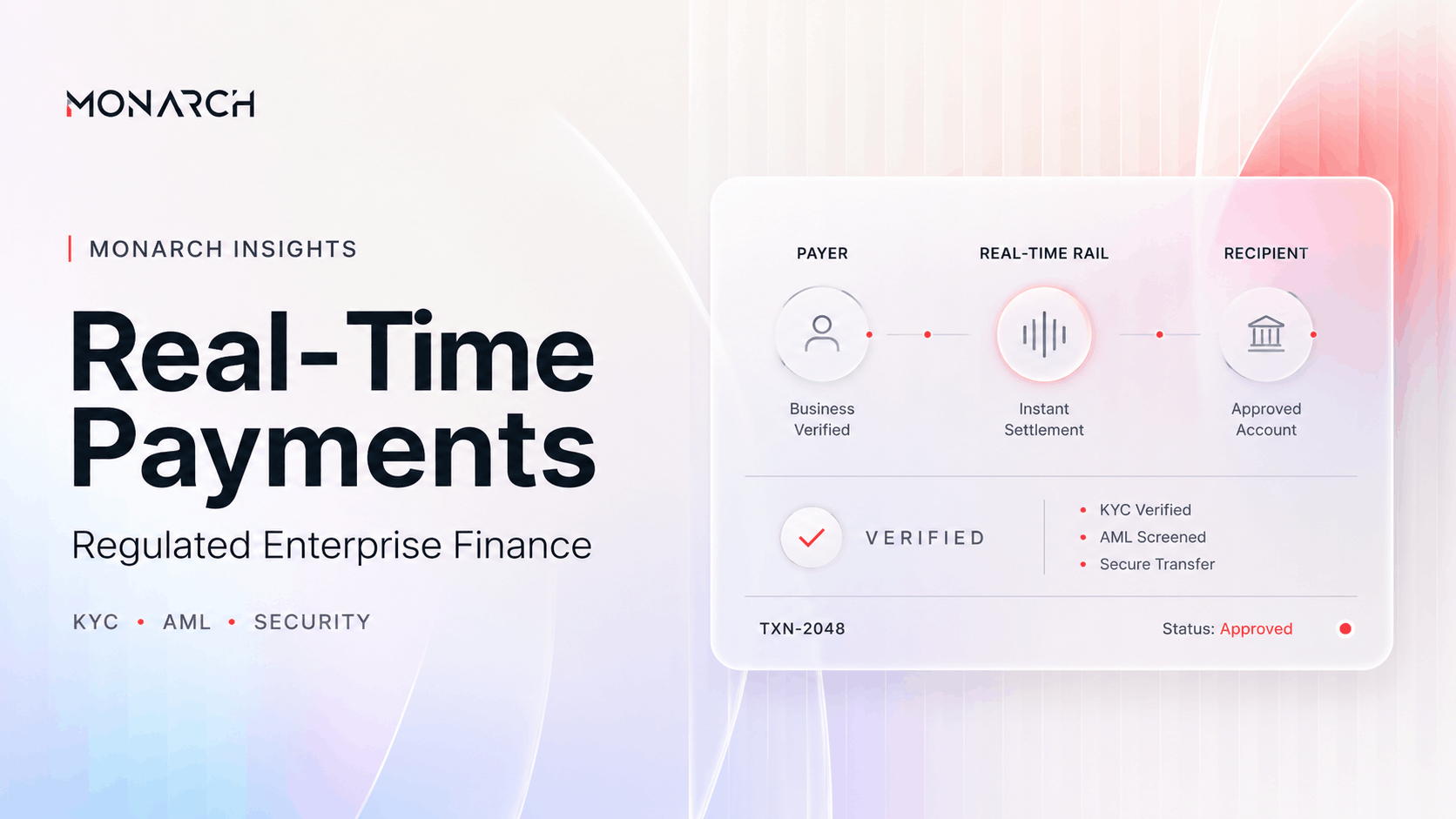
The way businesses move money is changing rapidly.
Thank you for reading this post, don't forget to subscribe!
Traditional payment systems were built for a slower financial world where transactions could take several business days to settle. Today, enterprise businesses operate in a digital economy where customers, vendors, and partners expect payments to move almost instantly.
This shift is driving the rapid growth of real-time payments.
From fintech companies and enterprise finance teams to regulated businesses and payment operators, organizations are investing heavily in payment infrastructure that supports faster, more secure, and more transparent financial transactions.
As digital commerce continues evolving, real-time payments are becoming one of the most important innovations in modern financial infrastructure.
What Are Real-Time Payments?
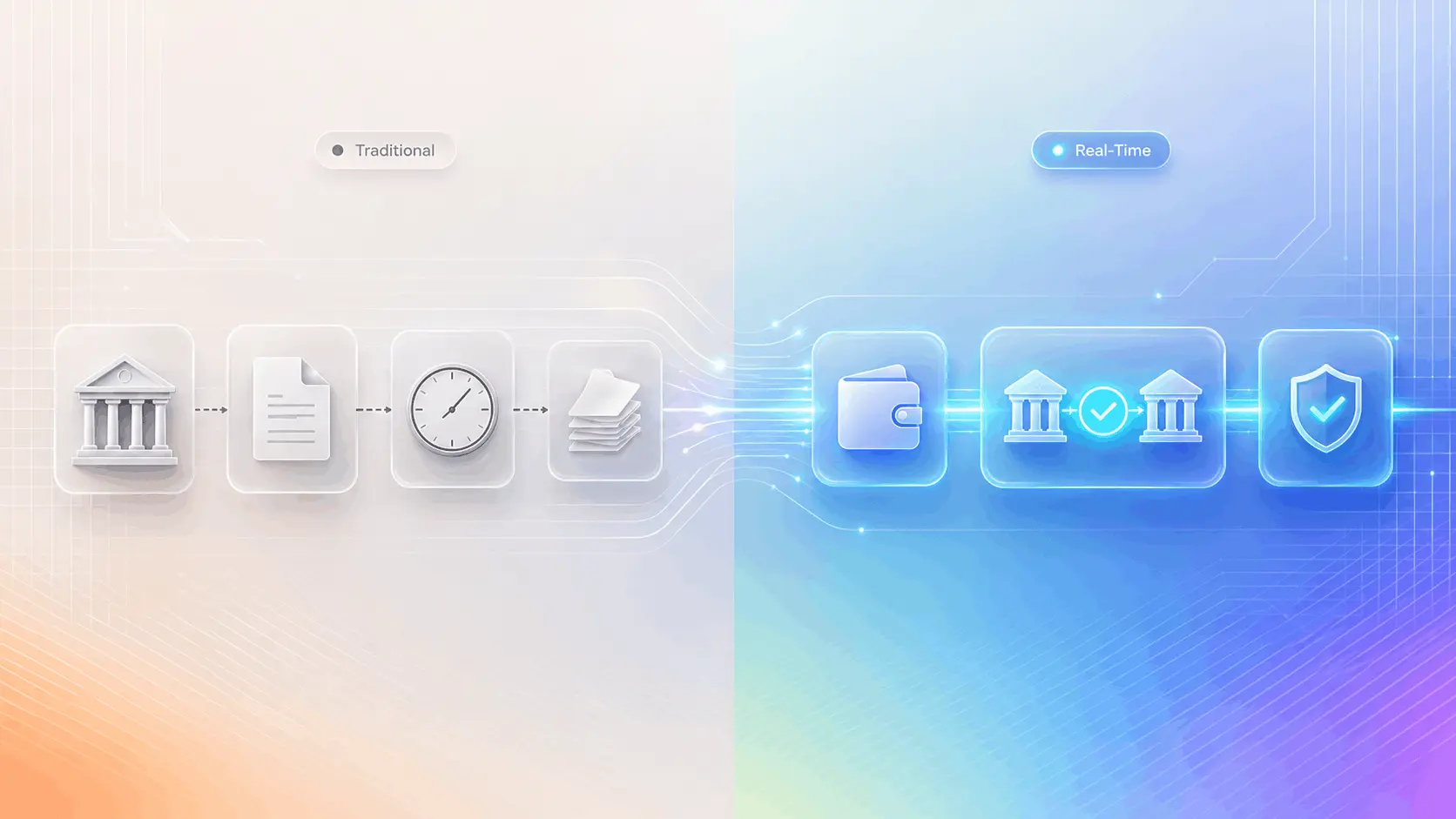
Real-time payments are electronic payment systems that allow funds to move between accounts almost instantly.
Unlike traditional banking systems that may require batch processing or delayed settlement windows, real-time payment networks process and settle transactions continuously.
This means businesses can:
- send payments instantly
- receive funds faster
- monitor transactions in real time
- improve operational visibility
Real-time payment systems often support:
- instant account transfers
- business-to-business (B2B) payments
- mobile transactions
- peer-to-peer (P2P) payments
- digital wallet funding
- supplier settlements
As commerce becomes more digital, businesses increasingly expect financial systems to operate with the same speed as modern technology platforms.

Why Traditional Payment Systems Create Challenges
Many businesses still rely on legacy financial infrastructure.
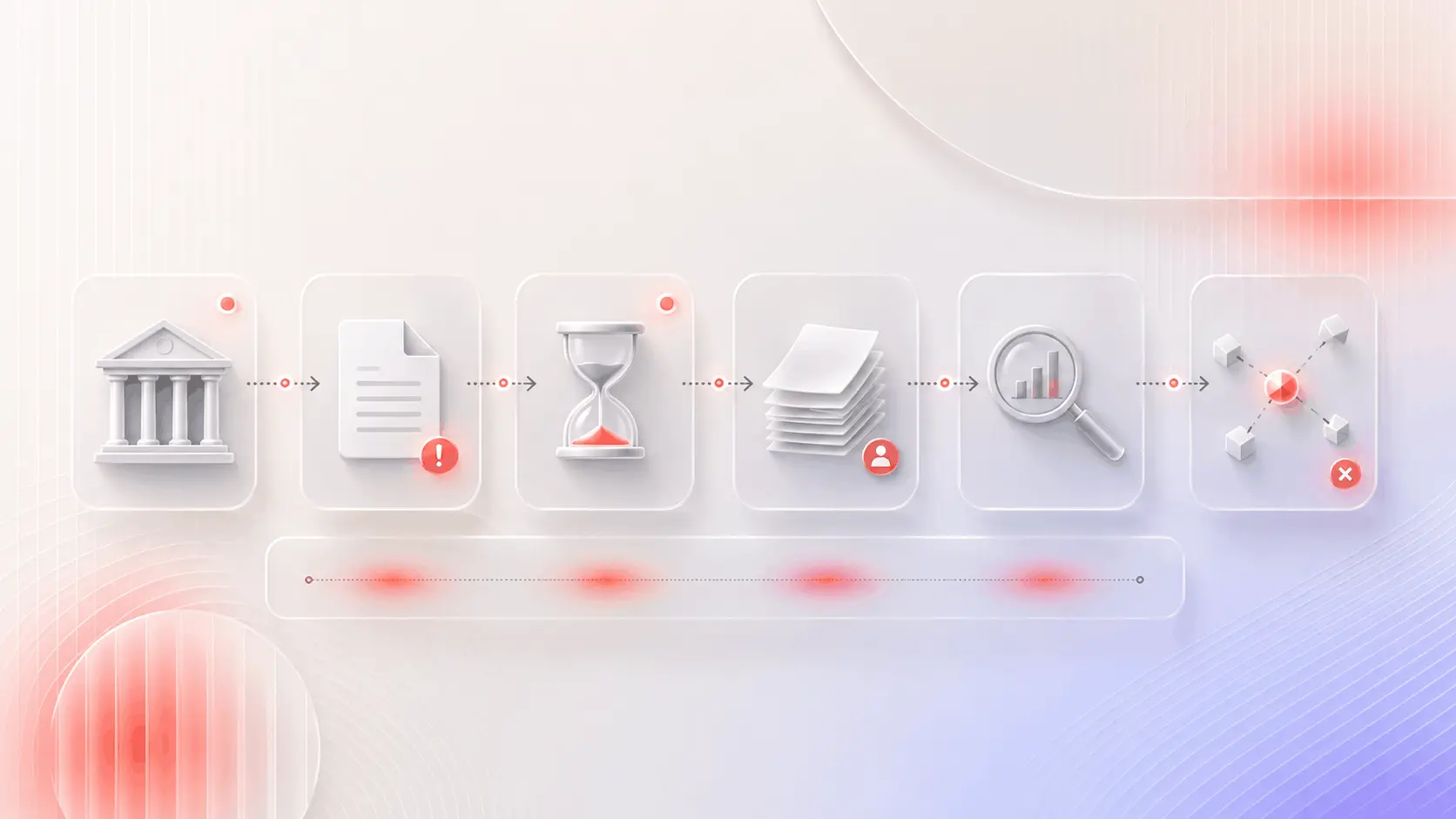
Traditional payment systems often involve:
- delayed processing windows
- manual reconciliation
- limited transaction visibility
- operational inefficiencies
- fragmented banking workflows
For enterprise businesses handling high transaction volumes, these delays can impact:
- cash flow management
- supplier relationships
- operational efficiency
- customer satisfaction
Waiting several business days for payments to settle no longer aligns with the pace of modern commerce.
This is why businesses are modernizing financial operations with faster payment infrastructure.
Why Real-Time Payments Matter for Enterprise Businesses
Real-time payments are not just about convenience.
They are transforming how businesses manage financial operations, treasury visibility, compliance workflows, and customer experiences.

Faster Cash Flow Management
Cash flow is critical for every business.
Real-time payments allow businesses to:
- receive funds faster
- improve liquidity visibility
- reduce settlement delays
- optimize working capital
This helps finance teams make faster operational decisions while improving overall financial agility.
Improved Operational Efficiency
Manual payment workflows slow down business operations.
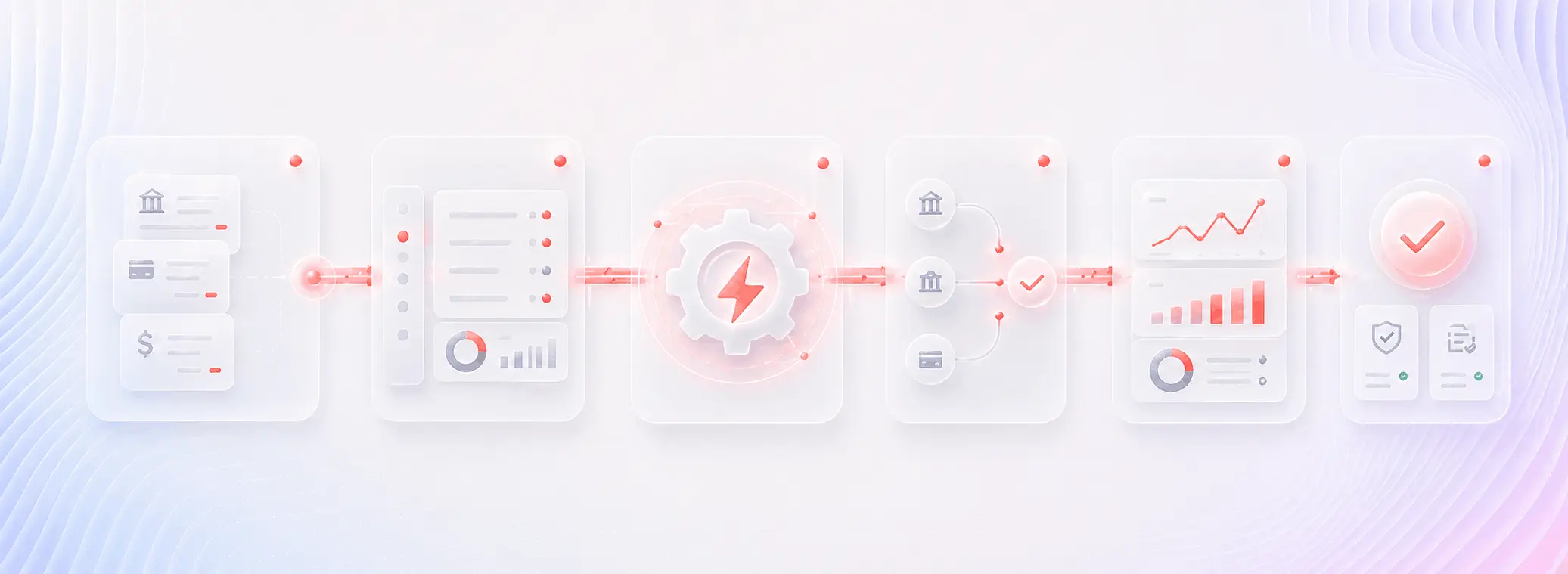
Real-time payment infrastructure helps automate:
- transaction processing
- settlement management
- reconciliation
- payment tracking
- reporting workflows
Automation reduces administrative overhead and improves operational accuracy.
Better Customer Experiences
Modern customers expect instant digital experiences.
Delayed refunds, slow payouts, and long settlement windows can negatively impact customer trust.
Real-time payments help businesses provide:
- instant disbursements
- faster refunds
- immediate confirmations
- seamless payment experiences
This improves customer satisfaction and strengthens business relationships.

Increased Financial Transparency
Enterprise businesses need better visibility into financial operations.
Real-time payment infrastructure provides:
- live transaction monitoring
- settlement visibility
- payment tracking
- operational analytics
- treasury reporting
This creates stronger financial transparency and decision-making capabilities.
The Role of Real-Time Payments in Regulated Industries
Highly regulated industries often face unique payment challenges.
Industries such as:
- cannabis
- hemp
- fintech
- logistics
- gaming
- money service businesses (MSBs)
must manage:
- compliance requirements
- transaction monitoring
- audit readiness
- financial reporting
- operational security
Traditional payment systems can create friction in these environments.
Real-time payment infrastructure helps regulated businesses:
- improve transaction transparency
- reduce cash dependency
- streamline financial operations
- automate payment workflows
- support compliance readiness
For regulated industries, payment modernization is becoming a major operational advantage.
Compliance Challenges in Faster Payment Ecosystems
As payment speed increases, compliance becomes even more important.
Businesses handling real-time transactions must still comply with:
- KYC requirements
- AML regulations
- transaction monitoring rules
- fraud prevention controls
- financial reporting standards
Modern fintech infrastructure integrates compliance directly into payment operations.
Automated compliance systems can help businesses:
- monitor suspicious activity
- verify customer identities
- detect unusual transaction behavior
- support audit preparation
This allows organizations to scale payment operations while reducing regulatory risk.
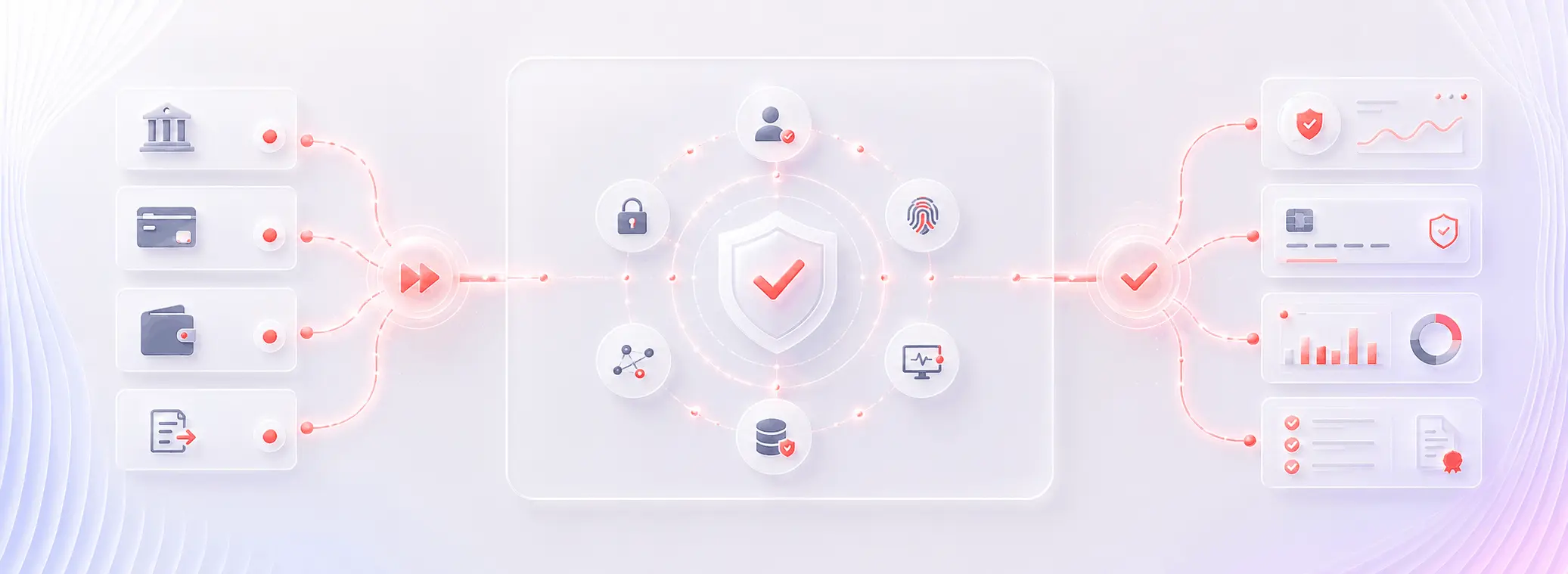
Security in Real-Time Payment Infrastructure
Security remains one of the biggest priorities in digital finance.
Real-time payments require strong protection because transactions move quickly and often settle immediately.
Modern payment platforms use technologies such as:
- bank-grade encryption
- tokenized transaction data
- fraud detection systems
- account authentication
- real-time monitoring
Enterprise businesses need secure infrastructure that protects:
- customer information
- banking credentials
- transaction records
- operational systems
As cyber threats continue evolving, payment security is becoming a critical part of enterprise risk management.
Payment Trends Driving the Future of Real-Time Finance
Several major fintech trends are accelerating the growth of real-time payments.
Embedded Finance
Businesses increasingly want financial services integrated directly into their platforms.
This includes:
- embedded payments
- digital wallets
- API-driven transfers
- in-platform settlements
Embedded finance reduces operational friction while improving customer experience.
Mobile Payment Adoption
Consumers and businesses continue shifting toward:
- mobile wallets
- instant transfers
- contactless payments
- digital banking experiences
Mobile-first payment ecosystems are becoming standard across industries.
Payment Automation
Businesses want to reduce manual operational workloads.
Automation helps organizations:
- accelerate settlements
- improve reporting accuracy
- reduce administrative costs
- streamline treasury operations
API-Driven Financial Infrastructure
Modern fintech ecosystems rely heavily on APIs.
API-driven payment infrastructure allows businesses to:
- integrate payment workflows
- automate transfers
- manage financial operations
- improve scalability
This flexibility is helping enterprises modernize financial systems faster.
Industry Example: Enterprise Supplier Payments
Large enterprises often manage payments across multiple vendors, suppliers, and regions.
Traditional payment systems may create:
- delayed settlements
- manual approvals
- fragmented reporting
- reconciliation complexity
Real-time payment infrastructure helps enterprises:
- accelerate supplier payments
- improve financial visibility
- reduce operational delays
- strengthen vendor relationships
This creates a more efficient financial ecosystem for growing organizations.
Operational Challenges Businesses Still Face
Despite advances in payment technology, many businesses still struggle with:
- outdated banking systems
- fragmented financial tools
- manual compliance workflows
- settlement delays
- fraud prevention concerns
- transaction visibility limitations
As businesses scale, these operational challenges become increasingly difficult to manage manually.
Modern financial infrastructure platforms help centralize:
- payments
- compliance
- reporting
- treasury visibility
- security monitoring
into a unified operational system.
How Monarch Supports Modern Payment Infrastructure
Monarch helps businesses modernize payment operations through scalable and compliance-focused financial infrastructure.
Monarch’s ecosystem supports:
- secure money movement
- real-time transaction visibility
- digital payment workflows
- ACH and payment processing
- compliance automation
- enterprise financial operations
Designed for modern and regulated industries, Monarch helps organizations simplify complex payment operations while improving transparency, security, and operational efficiency.
By combining payment infrastructure, compliance technology, and scalable financial systems, Monarch helps businesses move money with confidence in a rapidly evolving digital economy.
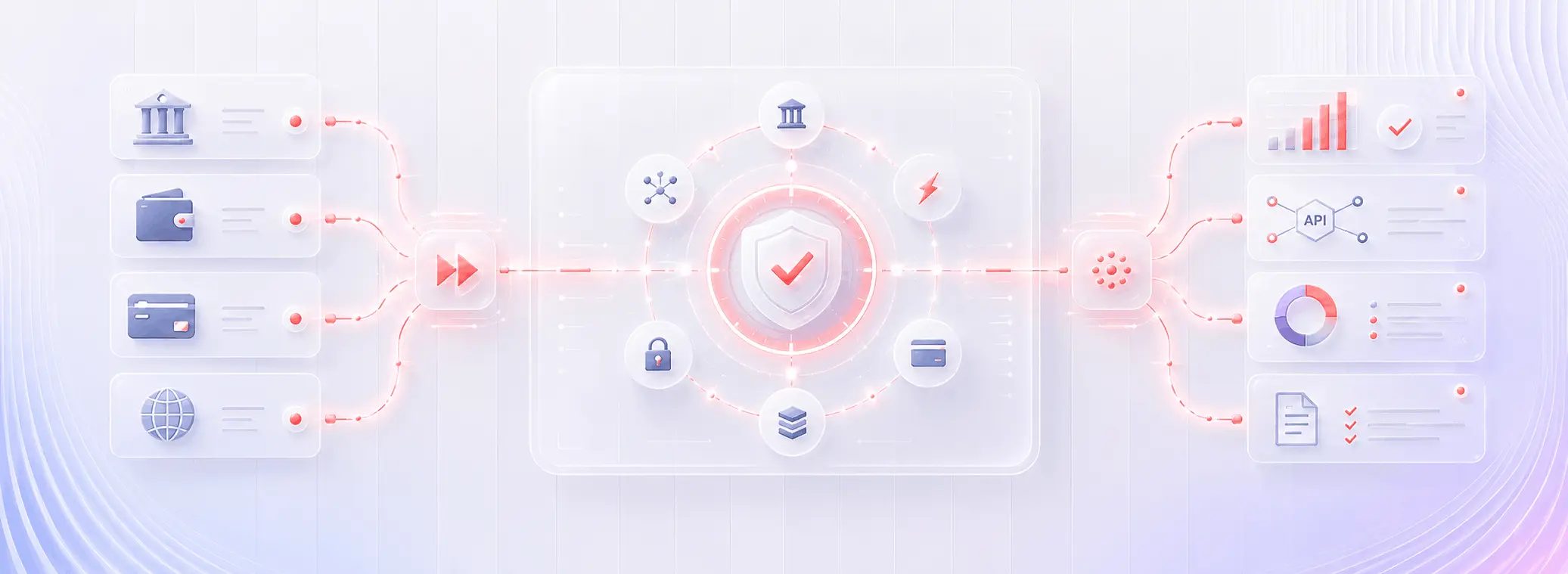
The Future of Enterprise Payments
The future of enterprise finance will be built around:
- faster payments
- real-time settlements
- embedded financial services
- automated compliance
- intelligent payment infrastructure
Businesses that modernize financial operations today will be better positioned to compete in tomorrow’s digital economy.
Real-time payment infrastructure is no longer just a technology upgrade — it is becoming a strategic business necessity.
Organizations that embrace payment innovation can improve operational agility, strengthen customer experiences, and build more scalable financial ecosystems.
Final Thoughts
Real-time payments are transforming how enterprise businesses manage money movement, settlements, and financial operations.
As digital commerce continues accelerating, businesses need payment infrastructure that supports:
- speed
- security
- compliance
- automation
- operational visibility
Enterprise organizations that invest in modern financial infrastructure today will be better prepared for the future of digital commerce.
The evolution of real-time payments is reshaping modern business finance — and that transformation is only beginning.
Schedule a Demo With Monarch
Discover how Monarch helps businesses modernize payment infrastructure, simplify compliance, and support real-time financial operations for scalable growth.